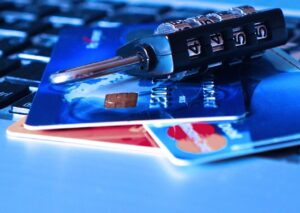
Credit and debit card fraud is a growing concern in today’s digital world. With the rise of online shopping, digital payments, and mobile banking, criminals are finding new ways to exploit weaknesses in financial systems. Unlike before, criminals do not have to break into a bank to rob. Instead, they can use digitalization to rob much more than they could have with a physical break-in. This guide will help you understand the various types of credit and debit card fraud, how they occur, and most importantly, how to protect yourself.
What is Credit and Debit Card Fraud?
Credit and debit card fraud occurs when someone uses your card or card information without your permission. This can lead to unauthorized transactions, identity theft, and significant financial loss. Earlier this year, Equity Bank Kenya was reported to have been a target of debit card fraud. In this heist, criminals walked away with $2.1 million, approximately KES 269, 997, 000.
Criminals use different credit and debit card fraud tactics to get to the money. As a result, there’s a need to understand these tactics and avoid being a victim. Some directly relate to the financial institution while others involve individual mistakes. Here are the most common tactics used in credit and debit card fraud:
Common Types of Credit and Debit Card Fraud
Card-Not-Present (CNP) Fraud: The Threat of Online Transactions
This is the most common type of credit and debit card fraud. Card-Not-Present (CNP) fraud occurs when the card isn’t physically present during the transaction, such as in online purchases or over-the-phone transactions.
All a criminal needs is a credit or debit card number, its expiration date, and the CVV number to make unauthorized purchases online. A malevolent fraudster would max out the card leaving you with no financial security provided by a credit card.
A debit card on the other hand is worse since this is your money they are spending and not a loan that has a limit. The consequences of debit card fraud are therefore dire.
Card Skimming: A Global and Local Menace
Skimming involves copying the card’s information from the magnetic stripe when it is swiped through a compromised card reader. These are the purchases you make through swiping the physical card.
A bad-acting employee of a restaurant can compromise the card reader with a skimmer that gets your details when you swipe the card. This could also happen in other establishments where you use the card.
What’s even worse is that when the criminal gets your details can decide not to use them for a few months. This makes it hard to track where your details were stolen once they decide to use them.
Phishing and Vishing: Scams Targeting Your Personal Information
In this credit and debit card fraud through phishing, a criminal may decide to trick you into revealing your card details. One of the tactics they use fake emails, websites, or messages to trick you into keying in your card details.
The easiest way to do this is to send you a promotional message with a link to the website where you can purchase the item. This is usually a fake website with fake promotional items and once you key in the details, the criminal steals them.
In this case, they may use your details to make online purchases or make a card with your details which they can use on ATMs to withdraw cash.
Vishing is a similar tactic but through a phone call that gets you to reveal your debit/ credit card details. In this case, they pose as legitimate companies such as banks asking to verify your card details.
Counterfeit Card Fraud: The Dangers of Cloned Cards
This type of credit and debit card fraud involves creating a fake card using stolen card information. Information obtained through vishing, phishing, and card skimming is encoded on new cards. The criminals then use these to make physical payments at an establishment.
They can also withdraw money from your account. Additionally, criminals can get this information by hacking the financial institution. The key information they need to get to succeed with this fraud includes your card number, expiry date, CVV number, and your pin.
Account Takeover: When Fraudsters Hijack Your Accounts
Fraudsters can use your personal information to log into your online banking account and make changes you have not authorized. Among the changes include changing your contact information by replacing your email and phone numbers.
Once they change the details, you can’t get notifications on any transactions taking place in your account. What’s worse is that other than draining your accounts, they can use it to get loans that affect your credit score because these loans go unpaid.
After all, you can no longer get notifications on account activities. In most cases, these criminals get your personal information through phishing, vishing, social engineering, and data breaches in financial institutions.
Lost or Stolen Card and Debit Fraud: The Importance of Quick Action
Your card has your name, account number, credit/debit card number, date of expiration, and the CVV number. As a result, this makes it possible for a fraudster to use it to make online purchases and transfer funds without your authorization.
Identity Theft: When Fraud Goes Beyond Your Credit and Debit Cards
Identity theft is one of the most severe forms of credit and debit card fraud, where a fraudster uses your personal information to open new credit accounts in your name or gain access to your existing accounts. This type of fraud can have long-lasting effects on your credit score and financial health.
In Kenya, identity theft is becoming an increasing concern, especially with the rise of data breaches and phishing attacks. Fraudsters can use your personal information to open accounts in your name, apply for loans, and even commit crimes, all while leaving you to deal with the consequences.
Friendly Fraud: When the Cardholder Is the Culprit of Credit and Debit Card Fraud
Friendly fraud, also known as “chargeback fraud,” occurs when a cardholder makes a purchase and then disputes the charge, falsely claiming it was unauthorized or that they never received the goods or services.
In Kenya, friendly fraud is also on the rise, particularly in the e-commerce sector. Some consumers falsely dispute legitimate charges to receive refunds while keeping the goods or services.
This type of fraud is challenging for businesses to combat, as it’s often difficult to prove that the cardholder is lying.
SIM Swapping: The New Frontier of Fraud
SIM swapping is a sophisticated form of credit and debit card fraud where the fraudster convinces your mobile phone carrier to transfer your phone number to a SIM card in their possession.
Once they control your phone number, they can bypass SMS-based two-factor authentication and access your bank accounts and other sensitive accounts.
In Kenya, SIM swapping is also a growing threat, particularly with the widespread use of mobile money services like M-Pesa.
Fraudsters use social engineering tactics to trick mobile carriers into transferring SIM cards, allowing them to access victims’ bank accounts and mobile money wallets.
How to Protect Yourself from Credit and Debit Card Fraud
- Look for websites that offer two-factor authentication (2FA).
To protect yourself from CNP fraud, it’s essential to use secure payment methods whenever possible. Two-factor authentication (2FA) adds an extra layer of security by requiring you to verify your identity before completing a transaction.
- Consider using virtual credit card numbers for online purchases.
These are temporary card numbers linked to your actual account but are only valid for a short period or a specific transaction. This way, even if a criminal gets hold of the number, they won’t be able to use it for future purchases.
- Report a stolen/lost credit or debit card to your bank or card issuer as soon as possible.
Most banks offer 24/7 customer service for reporting lost or stolen cards, and they can immediately freeze your account to prevent any further unauthorized transactions. Many banks also offer mobile apps with card-locking features, allowing you to lock your card instantly if it’s lost or stolen.
- Monitor your credit report regularly.
Among the companies licensed by the Central Bank of Kenya to check your credit include Credit Info CRB Kenya, TransUnion Credit Reference Bureau, and Metropol Credit Reference Bureau Limited. From as low as KES 300, you can get a report of your score. You can also get a list of financial institutions that have listed you as a defaulter. In the case of identity theft, you will be able to identify the loans that were taken in your name.
Further Actions to Protect Yourself
- Set up account alerts that notify you of any transactions over a certain amount.
- Keep important documents, such as your National Identification card, birth certificate, and financial records, in a safe place.
- Avoid providing sensitive information over the phone unless you’re sure of the recipient’s identity.
- Under no circumstances should you share your personal information on social media.
- Consider using contactless payment methods or chip-based transactions whenever possible.
- Always be skeptical of unsolicited requests for your card information.
- If you receive an email or text message asking you to verify your details, don’t click on any links or provide any information until you’ve confirmed that the request is legitimate.
- Never share sensitive information, such as your card number or PIN, over the phone unless you initiated the call and are certain of the recipient’s identity.
- Monitor your account statements regularly for any suspicious activity, and report any unauthorized transactions to your bank immediately.
- Use strong, unique passwords for all your financial accounts.
- Avoid using the same password for multiple accounts. This makes it easier for fraudsters to gain access to all your accounts if one password is compromised.
- Enable two-factor authentication (2FA) for your accounts.
Bottom Line: Staying Safe in a Digital World
Credit and debit card fraud is a global issue, but there are steps you can take to protect yourself. In Kenya, as in other countries, being vigilant and proactive is key to staying safe. Regularly monitor your accounts, use secure methods for online shopping, and be cautious about sharing personal information. By staying informed and taking preventive measures, you can significantly reduce your risk of falling victim to credit and debit card fraud.
Thank you for reading this post, don’t forget to subscribe!
Leave a Reply